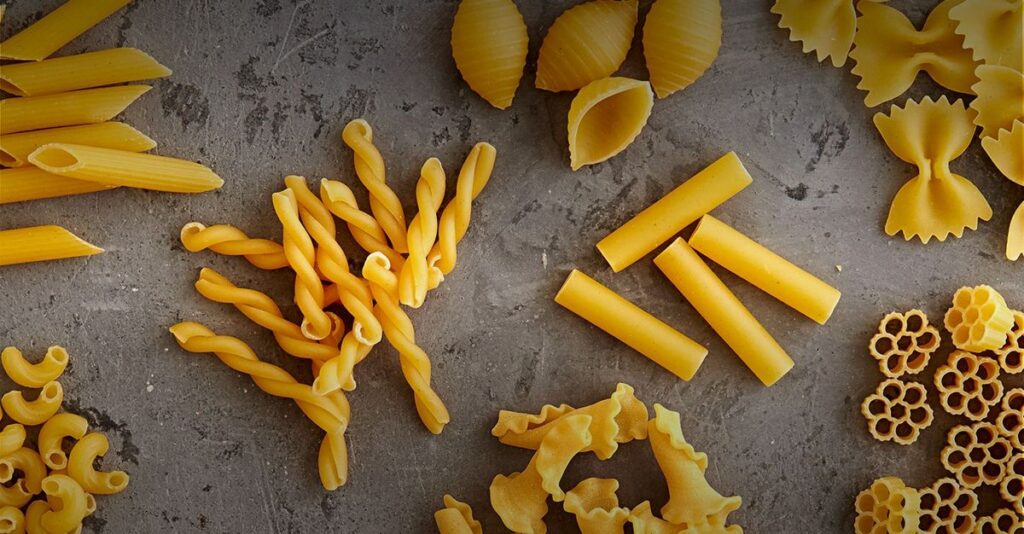
Pasta is one of the most recognizable foods in Italian cuisine, but pasta is much more than a simple combination of noodles and sauce. In traditional Italian cooking, the shape of the pasta plays an important role in how a dish tastes, feels, and comes together.
Different pasta shapes are designed to hold, carry, or complement specific types of sauces. Long, thin pasta works differently with a light olive oil sauce than thick, ridged pasta does with a hearty meat sauce. Filled pasta creates another experience entirely, especially when paired with a delicate cream sauce or seafood-based preparation.
Understanding the relationship between pasta shapes and sauces can help you make more informed choices when ordering at an Italian restaurant or preparing pasta at home. At Giovanni’s Italian Steakhouse in Greensboro, North Carolina, guests can explore a variety of traditional and Italian-inspired pasta dishes prepared with carefully selected ingredients and flavorful sauces.
You can view the restaurant’s current offerings on the Giovanni’s Italian Steakhouse menu before planning your next meal.
Why Pasta Shape Matters
Pasta shape affects more than presentation. It influences how much sauce each bite carries and how the ingredients combine.
Several factors make one pasta shape better suited to a particular sauce:
-
Surface area: More surface area allows pasta to hold more sauce.
-
Ridges and grooves: Textured pasta can capture thicker sauces.
-
Hollow centers: Tubular pasta can hold sauce inside.
-
Length: Long pasta is ideal for sauces that coat rather than fill.
-
Thickness: Heavier pasta can stand up to rich or substantial ingredients.
-
Filled centers: Stuffed pasta usually works best with sauces that complement rather than overpower the filling.
The best pairing creates balance. A delicate sauce should not overwhelm a light pasta, while a thick meat or cream sauce often needs a shape with enough structure to support it.
Long Pasta and Light, Smooth Sauces
Long pasta varieties are among the most familiar types of Italian pasta. They are often paired with smooth, moderately thick, or oil-based sauces that can coat the strands evenly.
Spaghetti
Spaghetti is a classic long, round pasta that works well with a variety of sauces. Its smooth strands allow sauces to spread across the pasta without becoming too heavy.
Spaghetti pairs naturally with:
-
Marinara sauce
-
Tomato and basil sauce
-
Olive oil and garlic
-
Meat sauce
-
Seafood sauces
-
Carbonara-style preparations
Because spaghetti is versatile, it can be used with both simple and complex recipes. A tomato-based sauce clings to the strands, while olive oil, garlic, herbs, and seafood create a lighter combination.
Giovanni’s menu includes classic pasta selections, making it a useful place to explore familiar Italian flavors alongside steak and seafood entrées.
Linguine
Linguine is slightly flatter than spaghetti. Its wider surface provides more room for sauce, making it particularly suitable for seafood and lighter cream-based preparations.
Linguine is commonly paired with:
-
Clam sauce
-
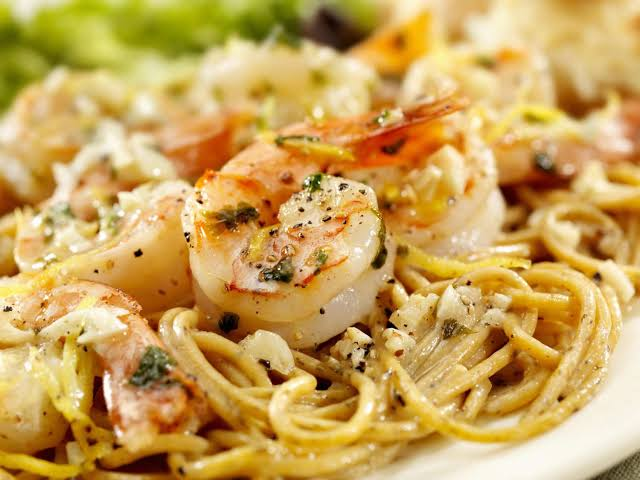
Shrimp and garlic sauce
-
Seafood marinara
-
Pesto
-
Light cream sauces
-
Olive oil-based sauces
The flat shape helps capture ingredients such as chopped clams, shrimp, herbs, and garlic. It is especially popular in coastal Italian cooking, where pasta and seafood are frequently served together.
Giovanni’s Italian seafood restaurant in Greensboro offers seafood-focused dishes such as linguine with clams, shrimp scampi, lobster ravioli, and other seafood selections.
Ribbon Pasta and Creamy Sauces
Ribbon pasta has a wider, flatter shape than spaghetti. Its broad surface works well with rich sauces because it provides enough area for the sauce to coat each bite.
Fettuccine
Fettuccine is a flat, ribbon-shaped pasta often associated with creamy sauces. Its width gives it a substantial texture and allows it to carry sauces made with butter, cream, cheese, or other rich ingredients.
Fettuccine pairs well with:
-
Alfredo sauce
-
Creamy mushroom sauce
-
Chicken-based cream sauces
-
Seafood cream sauces
-
Butter and Parmesan
-
Rich vegetable sauces
Fettuccine Alfredo is one of the most well-known examples of how pasta shape and sauce work together. The wide ribbons help carry the creamy sauce, creating a rich and satisfying bite.
Because fettuccine is relatively substantial, it is usually best with sauces that have enough body to match its texture. Very thin sauces may not cling as effectively.
Tubular Pasta for Thick and Hearty Sauces
Tubular pasta is designed to hold sauce both on the outside and, in some cases, inside the pasta. These shapes are particularly effective with thick sauces containing meat, vegetables, cheese, or cream.
Rigatoni
Rigatoni is a large, tube-shaped pasta with ridges along its surface. The ridges help sauce adhere to the pasta, while the hollow center can capture thicker ingredients.
Rigatoni is ideal for:
-
Meat ragù
-
Tomato-based sauces
-
Creamy vodka sauce
-
Sausage sauces
-
Baked pasta dishes
-
Chunky vegetable sauces
The combination of ridges and a wide tube makes rigatoni a strong match for sauces with texture. Each bite can include both pasta and sauce, creating a balanced mouthful.
Rigatoni alla Vodka
Rigatoni alla vodka combines tubular pasta with a creamy tomato-based sauce. The sauce typically has a smooth but rich texture, and rigatoni provides enough structure to support it.
The ridges on rigatoni help hold the sauce, while the wide center makes the dish feel hearty without requiring an overly complicated presentation.
Giovanni’s menu features Rigatoni Alla Vodka, making it an excellent example of a pasta dish where the shape and sauce complement one another. Guests interested in trying a classic pasta entrée can explore the Italian dinner options at Giovanni’s .
Filled Pasta and Complementary Sauces
Filled pasta contains ingredients inside the pasta itself. Because the filling is an important part of the dish, the sauce should enhance the filling rather than hide its flavor.
Ravioli
Ravioli consists of pasta pockets filled with ingredients such as cheese, vegetables, meat, or seafood. The filling determines which sauce works best.
Ravioli can be served with:
-
Brown butter
-
Light cream sauce
-
Tomato sauce
-
Sage butter
-
Parmesan cream sauce
-
Seafood cream sauce
A delicate cheese-filled ravioli may work well with butter and herbs, while a meat-filled ravioli can stand up to a richer tomato or meat sauce.
Lobster Ravioli
Lobster ravioli is a seafood-filled pasta that generally benefits from a sauce with enough richness to complement the lobster but not overpower it.
Common pairings include:
-
Lobster cream sauce
-
Light tomato cream sauce
-
Garlic butter
-
Champagne cream sauce
-
Seafood reduction
-
Delicate herb-based sauces
The goal is to preserve the flavor of the filling. A sauce that is too spicy, acidic, or heavy can distract from the seafood.
Giovanni’s offers lobster ravioli as part of its seafood and pasta selections. Guests can also read more about why lobster ravioli is a popular Italian dish in Greensboro to learn more about this flavorful combination.
Lasagna and Layered Sauces
Lasagna is different from many other pasta dishes because it is built in layers rather than served as individual strands or tubes. Wide sheets of pasta are layered with sauces, cheese, and other ingredients before being baked.
Lasagna works well with:
-
Bolognese-style meat sauce
-
Marinara
-
Ricotta or cheese mixtures
-
Mozzarella
-
Parmesan
-
Creamy béchamel-style sauces
The broad pasta sheets provide structure, while the sauce helps keep the layers moist and flavorful. A good lasagna depends on balance: too much sauce can make it difficult to hold together, while too little sauce can leave the pasta dry.
Lasagna is often considered a comfort food because it combines pasta, sauce, cheese, and savory fillings into one hearty dish. It is also a popular choice for family meals and group dining.
For larger gatherings or special occasions, Giovanni’s offers information about private dining in Greensboro, NC .
Gnocchi and Rich Sauces
Although gnocchi is not technically a traditional flour-based pasta, it is commonly served alongside pasta dishes on Italian menus. Gnocchi are small dumplings often made with potato, flour, and sometimes egg.
Their soft, pillowy texture makes them ideal for sauces that can settle into their shape.
Gnocchi pairs well with:
-
Ragù
-
Brown butter and sage
-
Tomato sauce
-
Cream sauce
-
Gorgonzola sauce
-
Pesto
-
Mushroom sauce
Because gnocchi is soft and tender, it works best with sauces that provide flavor without making the dish too heavy. A rich ragù can add depth, while brown butter and sage create a more delicate preparation.
Gnocchi al ragù is a classic example of a soft pasta-like dumpling paired with a savory meat sauce. The sauce adds texture and richness while the gnocchi provides a tender base.
Pasta and Tomato-Based Sauces
Tomato-based sauces are some of the most versatile sauces in Italian cuisine. They can be light and fresh or rich and slow-simmered, depending on the ingredients and preparation.
Marinara
Marinara is generally a tomato-based sauce made with ingredients such as tomatoes, garlic, olive oil, and herbs. It is often lighter than a meat sauce and works with many pasta shapes.
Marinara pairs well with:
-
Spaghetti
-
Linguine
-
Penne
-
Rigatoni
-
Ravioli
-
Lasagna
-
Seafood pasta
The best pasta shape depends on the texture of the marinara. A smooth marinara can coat long pasta, while a chunky version may work better with tubular or ridged shapes.
Meat Sauce and Ragù
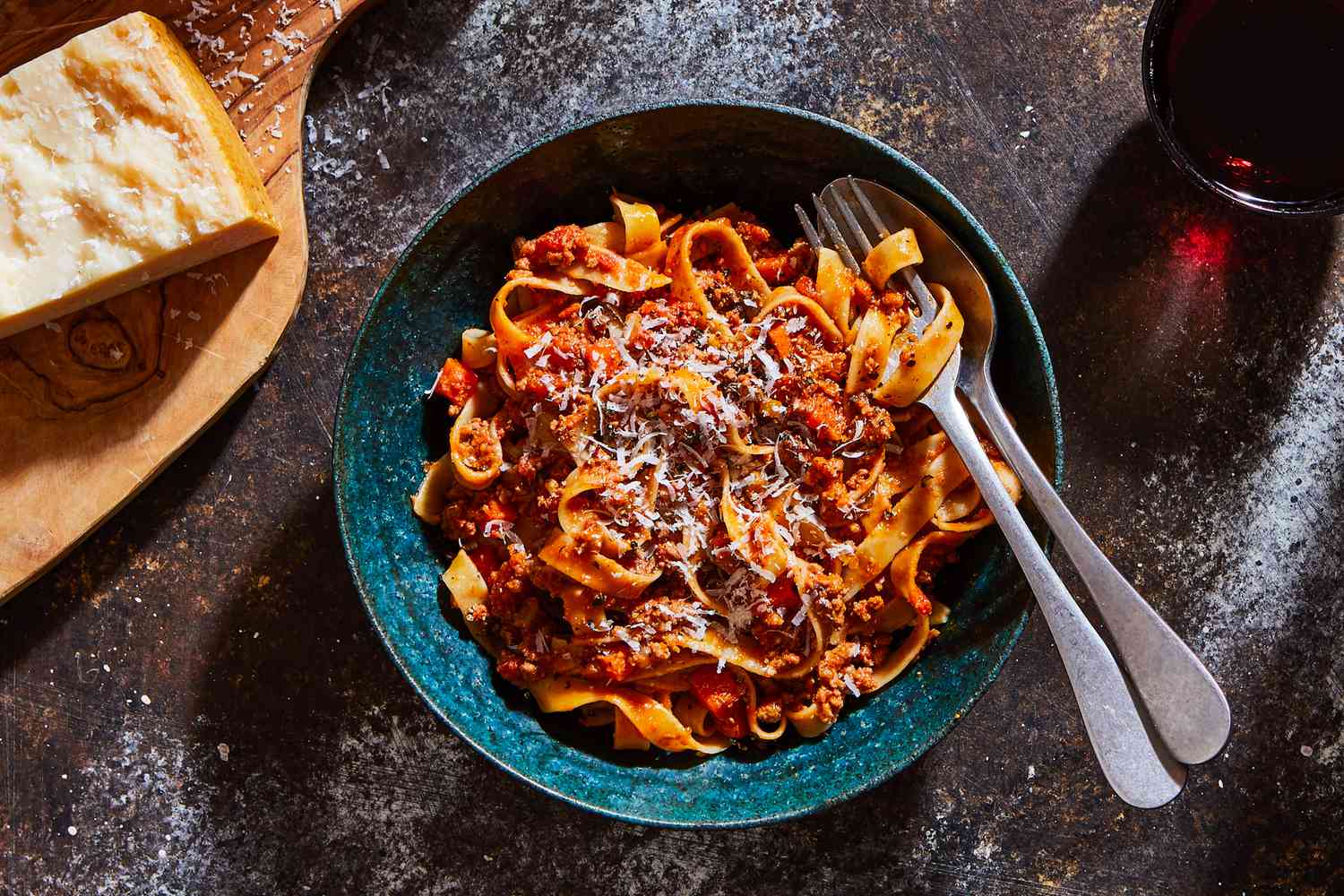
Meat sauces are typically thicker and more substantial than a simple marinara. They often pair best with pasta shapes that can hold onto the sauce.
Good choices include:
-
Rigatoni
-
Gnocchi
-
Lasagna
-
Tagliatelle
-
Fettuccine
-
Pappardelle
The weight of the sauce should match the pasta. A thick meat sauce may overwhelm delicate angel hair, while rigatoni or lasagna can provide enough structure to create a satisfying bite.
Pasta and Cream-Based Sauces
Cream-based sauces are rich, smooth, and often made with ingredients such as cream, butter, cheese, or cream-based reductions. These sauces usually work best with pasta shapes that provide enough surface area.
Recommended pairings include:
-
Fettuccine with Alfredo sauce
-
Rigatoni with vodka sauce
-
Ravioli with cream sauce
-
Linguine with seafood cream sauce
-
Gnocchi with Gorgonzola sauce
Cream sauces should be balanced with acidity, herbs, cheese, or other ingredients to avoid becoming overly heavy. The pasta shape helps determine how much sauce is carried in each bite.
A wide pasta shape can make a creamy dish feel more substantial, while a filled pasta can use the sauce to highlight its interior ingredients.
Pasta and Seafood Sauces
Italian seafood pasta often features fresh, briny, garlicky, or lightly creamy flavors. Seafood sauces generally work well with long pasta because the strands allow shellfish, herbs, and sauce to combine naturally.
Popular seafood pasta pairings include:
-
Linguine with clams
-
Spaghetti with seafood marinara
-
Linguine with shrimp
-
Lobster ravioli with cream sauce
-
Zuppa di pesce with pasta or seafood accompaniments
-
Shrimp scampi with long pasta
Seafood sauces often include garlic, olive oil, white wine, tomatoes, herbs, or butter. The right pasta should support the seafood rather than compete with it.
At Giovanni’s, the seafood menu includes dishes inspired by Italian coastal cooking. Visit the seafood dining page to explore available seafood options and learn more about the restaurant’s approach to Italian seafood cuisine.
How to Choose Pasta at an Italian Restaurant
When ordering pasta, consider the sauce first. If you already know what type of sauce you prefer, choosing the pasta becomes easier.
Choose long pasta when:
-
You prefer light or smooth sauces.
-
You enjoy garlic, olive oil, or seafood flavors.
-
You want a classic spaghetti or linguine dish.
-
The sauce is designed to coat rather than fill the pasta.
Choose ribbon pasta when:
-
You enjoy creamy sauces.
-
You prefer a more substantial pasta texture.
-
You want Alfredo, butter, cheese, or cream-based dishes.
Choose tubular pasta when:
-
You enjoy thick or chunky sauces.
-
You prefer hearty flavors.
-
You want pasta that captures sauce inside and along its ridges.
Choose filled pasta when:
-
You want seafood, cheese, or meat inside the pasta.
-
You prefer a dish where the filling is central to the experience.
-
You enjoy delicate sauces that complement the filling.
Choose lasagna when:
-
You want a layered, baked pasta dish.
-
You enjoy cheese, sauce, and hearty ingredients together.
-
You are looking for a classic comfort-food entrée.
Why Fresh Pasta Can Change the Dining Experience
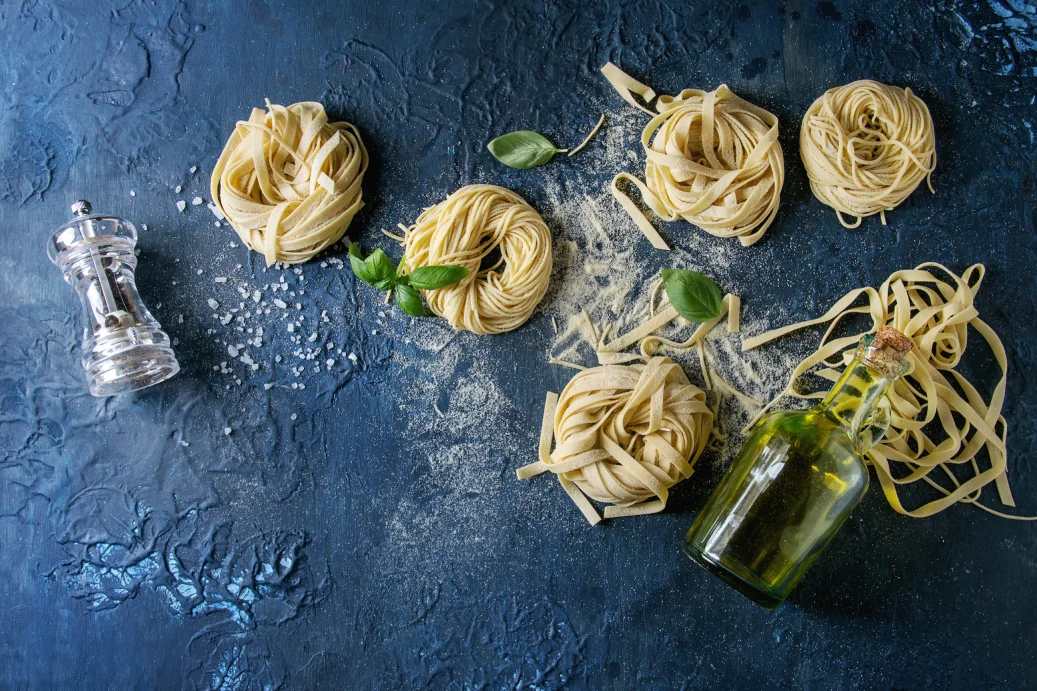
Fresh pasta and dried pasta can have different textures, cooking characteristics, and flavor profiles. Fresh pasta is often softer and more tender, while dried pasta usually has a firmer bite and holds its shape well.
Fresh pasta is especially well suited to:
-
Cream sauces
-
Butter-based sauces
-
Delicate seafood sauces
-
Filled pasta
-
Handmade ribbon pasta
Dried pasta is often ideal for:
-
Tomato sauces
-
Meat sauces
-
Baked pasta
-
Robust preparations
-
Everyday pasta dishes
The quality of the ingredients, cooking technique, sauce preparation, and timing all influence the final dish. Pasta should generally be cooked so that it retains a pleasant texture rather than becoming overly soft.
To learn more about the craft behind fresh pasta, explore Giovanni’s handmade pasta restaurant page .
Explore Italian Pasta in Greensboro, NC
Choosing the right pasta shape is a simple way to better understand Italian cuisine. Spaghetti and linguine are excellent with light sauces and seafood, fettuccine works well with creamy preparations, rigatoni holds rich sauces, ravioli highlights flavorful fillings, and lasagna brings together layers of pasta, cheese, and sauce.
At Giovanni’s Italian Steakhouse, pasta is part of a broader Italian dining experience that also includes steaks, seafood, appetizers, and classic entrées. Whether you are craving lobster ravioli, rigatoni alla vodka, lasagna, or another Italian specialty, understanding pasta and sauce pairings can help you choose a dish that matches your preferences.
View the Giovanni’s menu to explore current pasta selections, or make a reservation through the Giovanni’s reservation page for your next Italian dinner in Greensboro.
Frequently Asked Questions
What pasta shape is best for creamy sauce?
Fettuccine is one of the best pasta shapes for creamy sauces because its wide, flat surface helps carry rich sauces. Rigatoni and ravioli can also work well with cream-based preparations.
What pasta is best for marinara sauce?
Spaghetti, linguine, rigatoni, and ravioli all pair well with marinara. The best choice depends on whether the sauce is smooth, chunky, light, or rich.
What pasta shape holds the most sauce?
Ridged and tubular pasta shapes, such as rigatoni, can hold a significant amount of sauce. Their grooves and hollow centers help capture thick or chunky sauces.
What pasta goes best with seafood?
Linguine and spaghetti are popular choices for seafood pasta because they work well with garlic, olive oil, tomato, butter, and light cream sauces. Lobster ravioli is another excellent seafood-focused option.
Is fettuccine only used with Alfredo sauce?
No. Fettuccine can be served with cream sauces, meat sauces, mushroom sauces, seafood sauces, butter, cheese, and vegetables. Alfredo is simply one of its most famous pairings.
Why is rigatoni good with vodka sauce?
Rigatoni has ridges and a hollow center that help capture creamy tomato-based vodka sauce. Its sturdy texture also balances the richness of the sauce.